Got a question? Call us!
Dodge Challenger PCM, ECM & ECU Replacement
Just Put it in and Drive, no need to visit the dealer!
What a Dodge Challenger PCM Actually Runs, and Why It Shows Up as an ECM or ECU
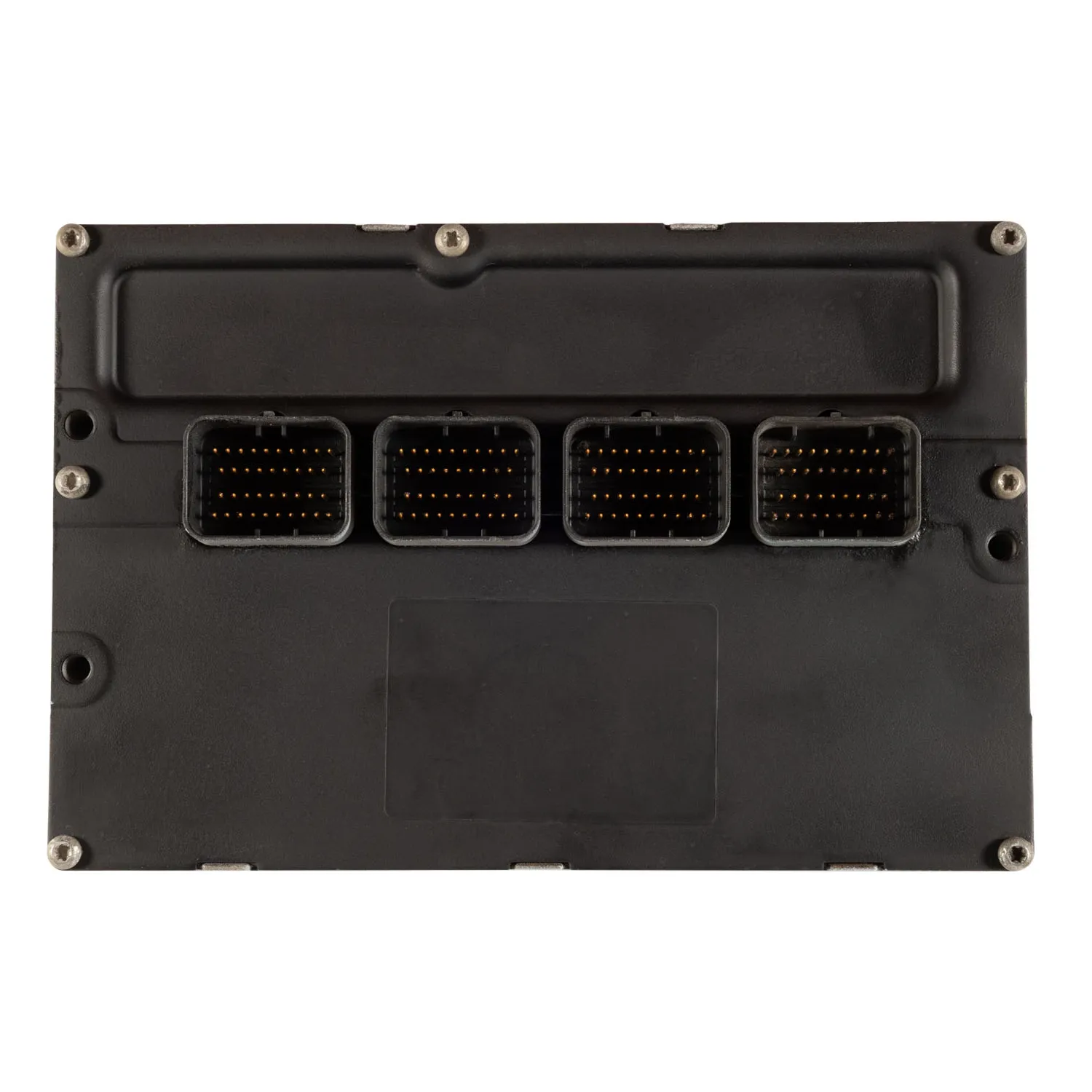
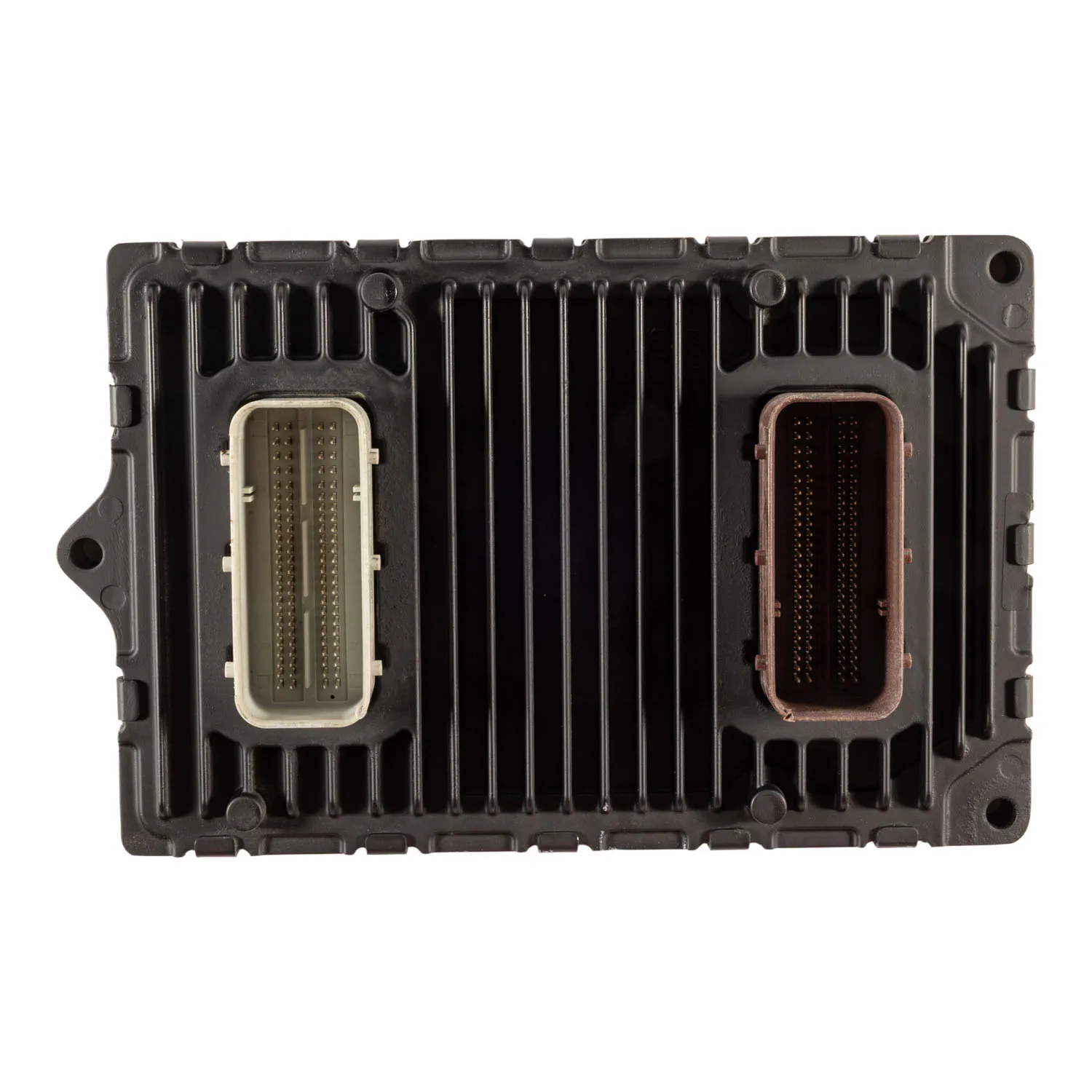
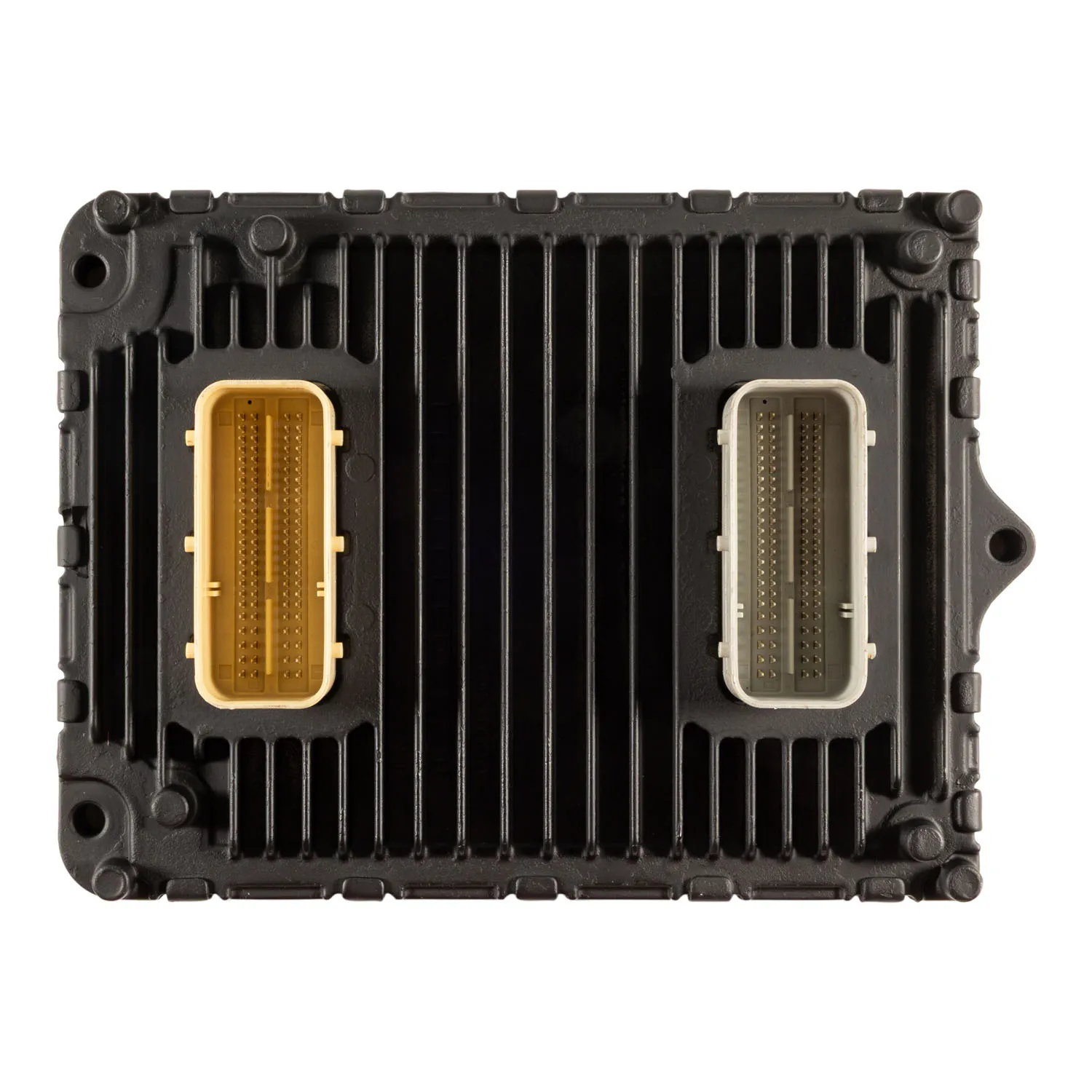
A Dodge Challenger PCM runs both the engine and the automatic transmission, which is why Dodge labels it a Powertrain Control Module rather than a plain engine computer. Shops and parts catalogs call that same module the ECM, the ECU, or simply the engine computer. Those are four names for one part, so one replacement covers whichever term you used.
Matching a Challenger Coupe Module to Your Year and Engine (2008-2020)
Every Challenger module matches one of six engines across the 2008 to 2020 coupe, and Car Computer Exchange programs each to your exact year, engine, and VIN. The modern Challenger is a single-generation two-door coupe built on the same rear-drive architecture as the Charger sedan, so the stocked range starts at 2008 when the nameplate returned. The lineup runs from the 3.5L V6 up to the supercharged Hellcat, six engines in all:
- 3.5L V6 (2009-2010)
- 3.6L Pentastar V6 (2011-2020)
- 5.7L HEMI V8 (2009-2020)
- 6.1L SRT8 HEMI (2008-2010)
- 6.4L 392 HEMI (2011-2020)
- 6.2L Supercharged Hellcat (2015-2020)
Mopar Challenger computers use the modern 68-series part numbers, keyed to your VIN rather than cross-fit from another car. A 2011 Challenger 3.6L Pentastar PCM and a 2015 Challenger 5.7L HEMI PCM each arrive built for that one vehicle, and the full Dodge catalog confirms fitment before you order.
Why Hellcat and 392 Challengers Ship as a Send-In Rebuild
Most Challenger modules, the V6 cars, the 5.7L HEMI, and the 6.1L SRT8, ship pre-programmed and plug in with no dealer visit and no programming fee, already written to your VIN and the latest factory software. The high-output modern engines are the exception: the 6.2L Supercharged Hellcat and most 6.4L 392 cars come as a send-in rebuild, not an off-the-shelf swap. The product page for your year and engine shows which path applies before you order. On the send-in path you ship your module in and get it back rebuilt and reflashed to your VIN, with its security and configuration data intact.
If you own an SRT car, the 2016 Challenger 6.2L Hellcat PCM rebuild shows how the send-in service works. The same HEMI and Pentastar engine families power the Dodge Charger and Chrysler lineups, though every computer is still flashed to its own car's VIN, never cross-fit from another vehicle.
Telling a Failed Challenger PCM Apart From a Sensor or Anti-Theft Fault
A Challenger PCM failure and a bad sensor look almost identical from the driver's seat, so read the codes first. Erratic shifting, repeated misfires, a check-engine light, and a no-start can each come from the computer or from the sensors feeding it. An internal fault code settles which one, because it points straight at the module:
- P0601, a memory checksum error inside the control module
- P0602, a control module programming error
- P0603, a keep-alive memory (KAM) fault
- P0604 through P0606, internal RAM, ROM, and processor faults
A no-start deserves a second look: a used or junkyard module carries the donor car's factory anti-theft data, so the Challenger cranks but stays locked out until that data matches your VIN. A Car Computer Exchange module arrives pre-synced to your VIN and anti-theft data, one of the checks it clears in the 13-point quality check on a vehicle simulator before shipping. A free lifetime warranty and a 60-day money-back guarantee back the order, covering a refund or exchange if the module does not fix the car.
FAQs
Can you still drive a Dodge Challenger with a bad PCM?
A Challenger with a failing PCM might still start and move, but treat every drive as borrowed time. The module can cut power without warning, stall the car in traffic, or refuse to start at all once it fails outright. A module going bad can also pull fuel and timing off enough to sap power and mileage well before it quits for good. A replacement matched to your VIN brings back normal, predictable running.
Is a Dodge Challenger PCM expensive to replace?
At a dealer, the bill stacks the module, the install labor, and a programming session that flashes a blank computer to your car, so the total lands far above what the module costs by itself. A Car Computer Exchange module skips that programming step: whether your engine ships plug-and-play or comes back from the send-in rebuild, it arrives already written to your VIN, so you avoid the dealer flash and most of the labor. Because the price moves with each year and engine, you will find it on the Challenger product page, not on this category page.
How do you reset the PCM on a 2008-2020 Dodge Challenger?
There is no reset that repairs a truly failed Challenger PCM. Pulling the battery for a few minutes clears trouble codes and the module's learned values, which can quiet a warning light for a while, but a scan tool showing no communication or an internal P0601 or P0606 code means the hardware is done. A pre-flashed replacement skips the reset question: install it, drive a short relearn cycle, and the idle and shift points settle in.
If I search for a Dodge Challenger ECM or ECU, is it the same as the PCM?
Yes. On the Challenger, the ECM, the ECU, the engine computer, and the PCM all name the same module, so searching any of those terms lands you on the same replacement. Whichever label your mechanic, scan tool, or estimate used, Car Computer Exchange matches the part to your year, engine, and VIN. You do not need to hunt down a separately named ECU for this car.

|
The most common questions related to exchanging your car computer for one that works.
|